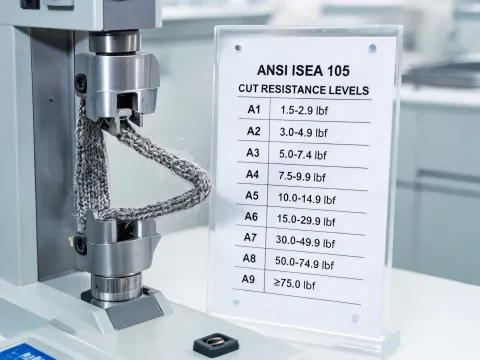
Mechanical Testing Review
Cut, abrasion and puncture data are translated into workplace-relevant notes so a line lead can understand why a glove is recommended.
This site presents Ansell as an authority-expert PPE partner: a source for glove evidence, responsible material review, laboratory-style documentation and field-ready program support.
Hand protection is credible only when the product, test method, task and wearer feedback are visible in the same decision file.
Ansell's role in a B2B safety program is not limited to shipping gloves. The technical story is built around evidence: material selection for nitrile, neoprene, latex and specialty polymers; mechanical resistance data for cut, abrasion and puncture; and sustainability information that can be reviewed by procurement teams. The authority-expert persona favors precise language, documented assumptions and an honest distinction between compliance, certification, approval and workplace policy.
Cut, abrasion and puncture data are translated into workplace-relevant notes so a line lead can understand why a glove is recommended.
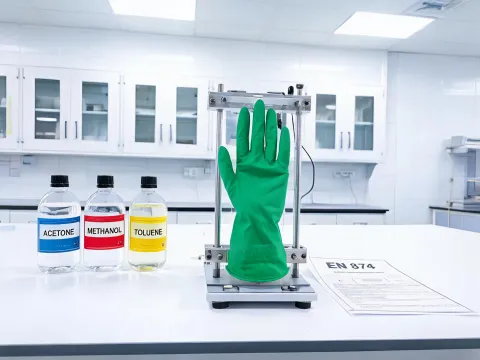
Permeation and degradation discussions focus on named chemicals, exposure duration, splash assumptions and cuff length rather than generic chemical resistance.

Disposable and specialty gloves can be assessed for contamination control, accelerator-free needs, static-sensitive handling and packaging workflow.
Explains where A4, A6 and A9 levels fit in metal fabrication, glass handling and maintenance tasks.
Connects chemical family, breakthrough time, splash expectation and glove replacement cadence.
Clarifies the difference between film thickness, barrier expectation, comfort and inspection criteria.
Summarizes where static control, linting, packaging and cleanliness data should be reviewed.
A responsible glove change protects workers, purchasing continuity and audit defensibility. Share the task and the current product, and the review can begin with facts instead of assumptions.
Request Evidence File